
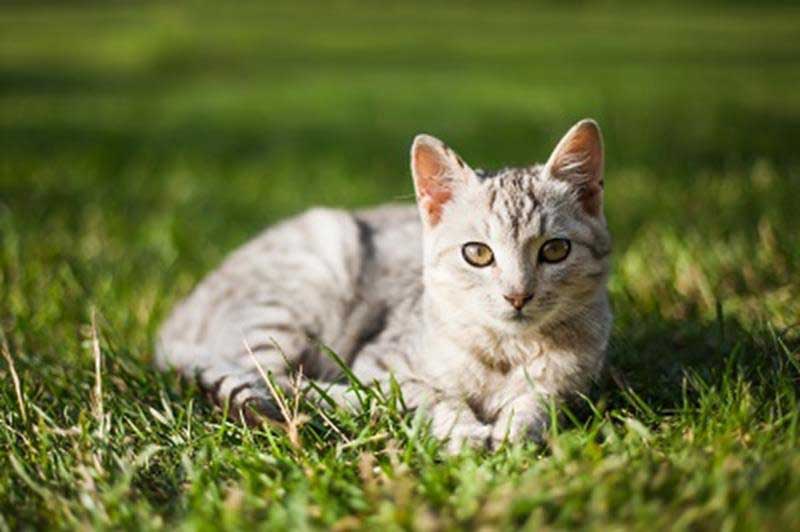
Pet Poisonings in North Richland Hills
Pets are naturally curious and may accidentally ingest household items or medications that are toxic, and sometimes life-threatening. At Cornerstone Animal Hospital, we want to help you recognize and prevent common pet poisoning hazards.
Request an AppointmentMost Common Pet Poisonings
- Household Products – Cleaners, detergents, gasoline, and other chemicals
- Prescription Human Medications – Hydrocodone, painkillers, ADHD medications, birth control pills
- Insecticides – Ant bait, snail bait, and other pesticides
- Over-the-Counter Medications – Acetaminophen (Tylenol), ibuprofen (Advil)
- Human Food – Onions, garlic, grapes, raisins, alcohol, chewing gum with xylitol
- Veterinary Medications – Accidental overdose or pets chewing medication bottles
- Chocolate – Dark chocolate is especially toxic; symptoms include vomiting, diarrhea, tremors, seizures
- Rodenticides – Various types of rat poison
- Toxic Plants – See the list below
- Lawn and Garden Products – Fertilizers, herbicides, weed killers
If your pet has gotten into any of the above, our emergency care team is ready to help you respond quickly.
Poisonous Plants to Avoid
Many common household and garden plants can be toxic to pets. Here are some to avoid:
| Autumn Crocus | Australian Flame Tree | Avocado | Azalea Baneberry |
| Bird Of Paradise | Bishop’s Weed | Black Laurel | Black Locust |
| Bleeding Heart | Bloodroot | Bluebonnet | Blue-Green Algae |
| Boxwood | Bracken Fern | Buckthorn | Bulb Flowers |
| Burdock | Cacao | Camel Bush | Caladium |
| Calla Lily | Cardinal Flower | Chalice | Cherry Tree |
| Chinaberry Tree | Clematis | Cocklebur | Coffee |
| Coral Plant | Coriander | Dieffenbachia | Elderberry |
| Elephant Ear (Taro) | Eucalyptus | Euonymus | False Hellebore |
| Flame Tree | Felt Plant | Firethorn | Four O’Clock |
| Foxglove | Glottidium | Golden Chain | Ground Cherry |
| Heaths | Heliotrope | Hemlock | Henbane |
| Holly | Honeysuckle | Horse Chestnut | Horsetail |
| Hydrangea | English Ivy | Jasmine | Jimsonweed |
| Lantana | Larkspur | Lily Of The Valley | Easter Lily |
| Lupine | Marijuana | Mandrake | Mexican Poppy |
| Milkweed | Vetch | Yellow Jasmine | Mistletoe |
| Mock Orange | Monkshood | Moonseed | Morning Glory |
| Mountain Laurel | Mushrooms | Nightshades | Oak |
| Oleander | Periwinkle | Philodendron | Pigweed |
| Poinciana | Poinsettia | Poison Ivy | Poison Oak |
| Pokeweed | Potato Shoots | Privet | Pyricantha |
| Rain Tree | Ranunculus (Buttercup) | Rape | Red Maple |
| Snowdrop | Spurges | Sweet Pea | Tansy |
| Tobacco | Wisteria | Yews |
If your pet has ingested or is suspected of ingesting any toxic substance, do not wait, call for help immediately.
For assistance during business hours, please contact us at (817) 514-8387. For after-hours emergencies or poison-related questions, contact:
National Animal Poison Control Center
Call: (888) 426-4435
ASPCA Animal Poison Control
Available 24/7/365. Call: (888) 426-4435 (Note: A $65 consultation fee may apply.)
For more information on preventing pet poisoning, please contact us today at (817) 514-8387.
What should I do if my pet eats something toxic?
Call our office right away during business hours, or contact ASPCA Animal Poison Control after hours. Don’t wait for symptoms to appear.
What human foods are dangerous for pets?
Onions, garlic, grapes, raisins, alcohol, and xylitol-containing gum or candy are all toxic to pets and should be kept out of reach.
Is chocolate really dangerous for dogs?
Yes, especially dark chocolate. It can cause vomiting, diarrhea, tremors, and seizures depending on the amount ingested.
Can common houseplants be poisonous to pets?
Yes, many popular houseplants and garden plants are toxic to pets. Check our plant list above before bringing new plants into your home.
What information should I have ready when calling poison control?
Try to identify what your pet ingested, how much, and when, and have any packaging or plant material available if possible.
Are over-the-counter medications safe for pets?
No, medications like acetaminophen and ibuprofen can be toxic to pets even in small amounts. Never give human medication without veterinary guidance.
Do you treat poisoning cases at your hospital?
Yes, our emergency care team is equipped to treat pets who have ingested toxic substances during business hours.